Skip to content
Jorge Wahbeh

Projects

Different ways of working through design.

This archive brings together work in design, business, education, management and collaboration. Some projects involve my direct participation; others are collective initiatives or student work I have supported as a teacher. Each entry identifies my role and credits its authors and teams.

Venezuela's selection — BID 2026

Venezuela's selection — BID 2026

Curation / delegation · 2026

Venezuela's delegate.

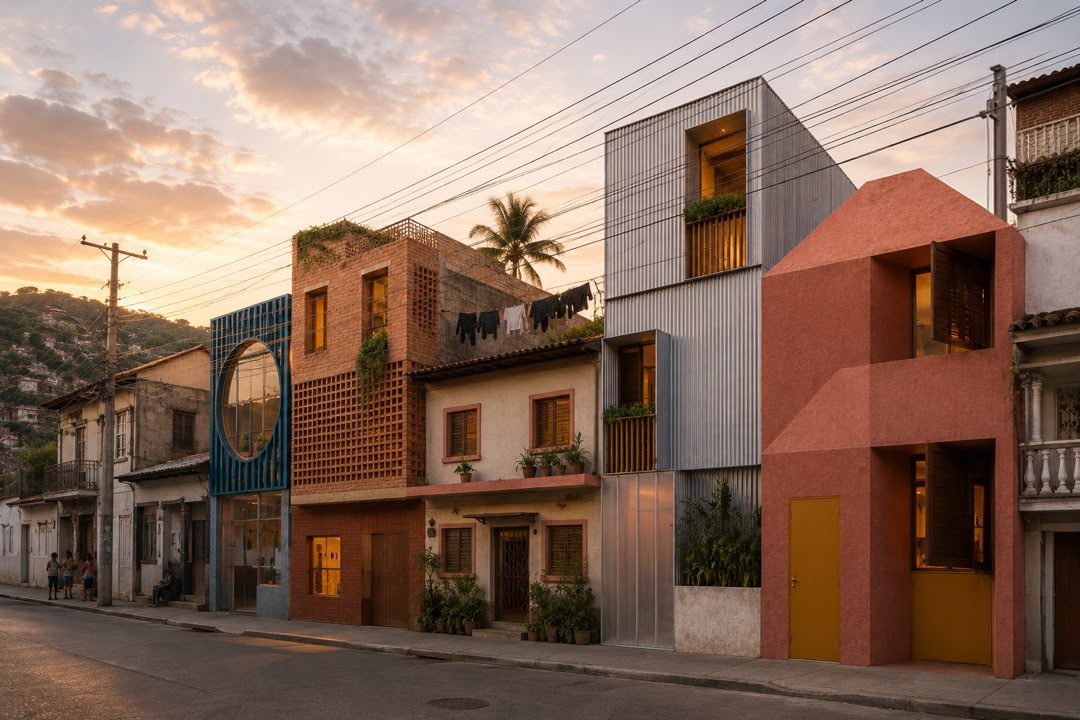
Ten projects show different ways of responding to Venezuelan reality through design. The selection brings together work from different disciplines and backgrounds, and aims to give visibility to its authors, processes and contexts.

As delegate, my role has been to support the presentation of these proposals. The credit belongs to the teams who imagined and developed them.

Quíbor — Design, craft and territory

Quíbor — Design, craft and territory

Graduation project · Lara state

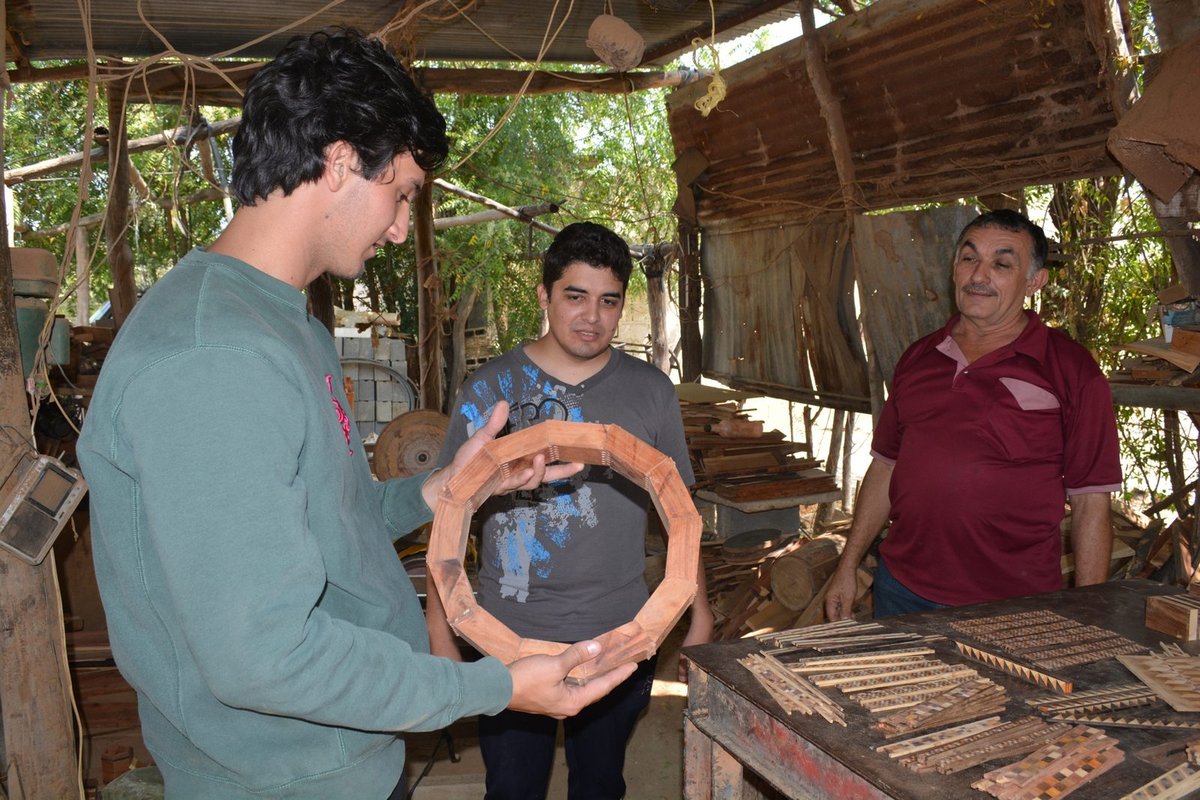
Author: Juan Cortizo, with the Orta family and artisans from Quíbor and Guadalupe. My role: academic tutor.

A graduation project can become an opportunity to study a territory and to work with the people who know its materials and techniques. Quíbor proposes a dialogue between contemporary design, local carpentry and the resources of the Lara landscape.

The project was presented at SaloneSatellite in Milan, where it received a Special Mention. The project and its recognition belong to Juan Cortizo and his collaborators. My role was to support his process as tutor.

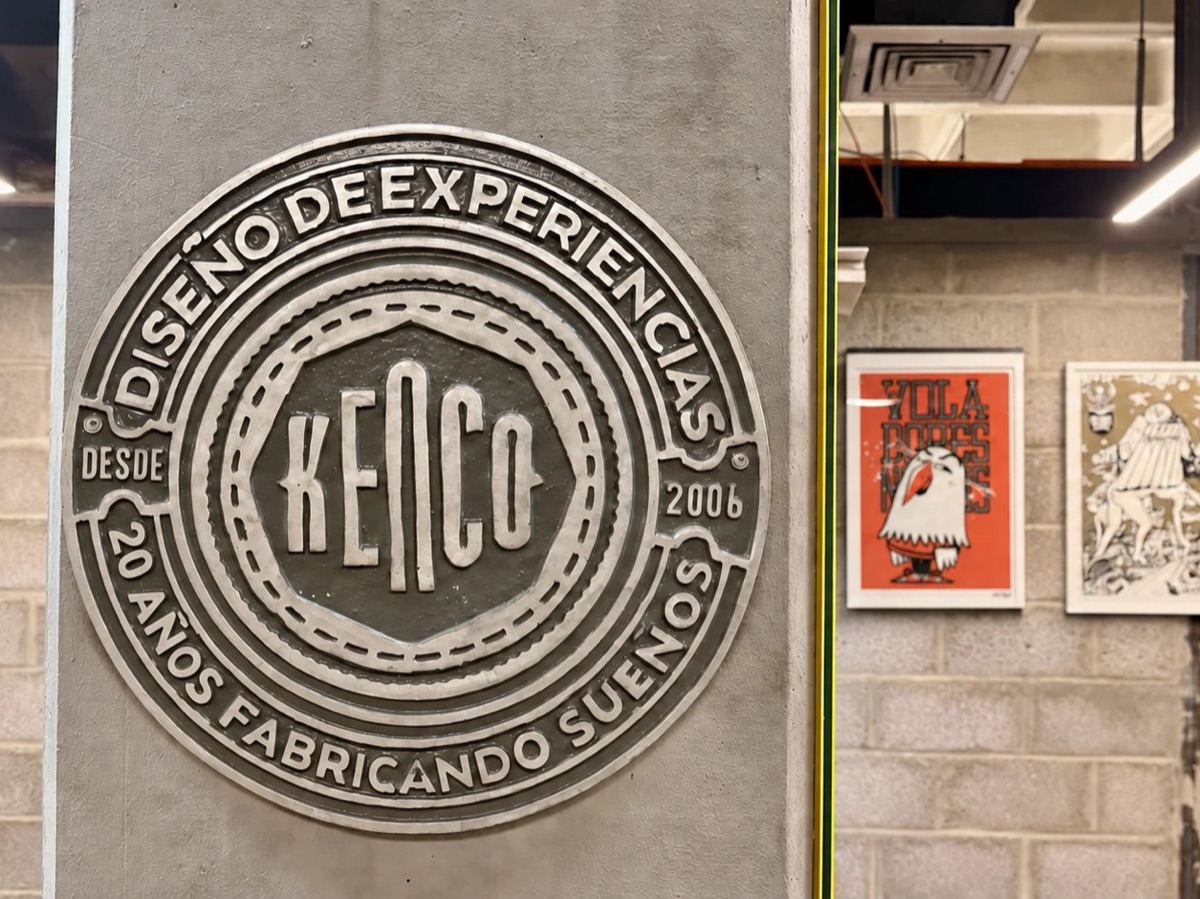
Kenco

Kenco

Design, business and production · Since 2006

My role: co-founder and management.

Kenco started as a design-driven venture and grew into a company with a range of production capabilities. Building it has allowed me to work where ideas meet the demands of materials, timelines, costs and people.

More than a single project, it has been an ongoing lesson in how to build teams, solve problems and turn proposals into real products and services.

id.real

id.real

Design studio · Madrid · 2014–2019

My role: co-founder and design advisor.

id.real was a design studio in Madrid that I co-founded. My work was to find and build the team, organise the way we worked and frame the projects, supporting them from the first idea through development.

In 2018 and 2019, the Red Dot Design Ranking: Design Concept placed id.real ninth among design studios in the Americas and Europe. The awarded projects and their recognition belong to the id.real team, who designed and developed them.

Kebrick, a sand construction set. Design: José A. Montenegro (lead designer), Marta García, Charlotte du Payrat and Fabio Molinas; Anouk de Lesparda is credited as team lead at Red Dot. Awards: two Red Dot Awards: Design Concept 2018 (1, 2), A' Design Award (Silver), European Product Design Award 2018 (Silver) and International Design Awards (Silver).

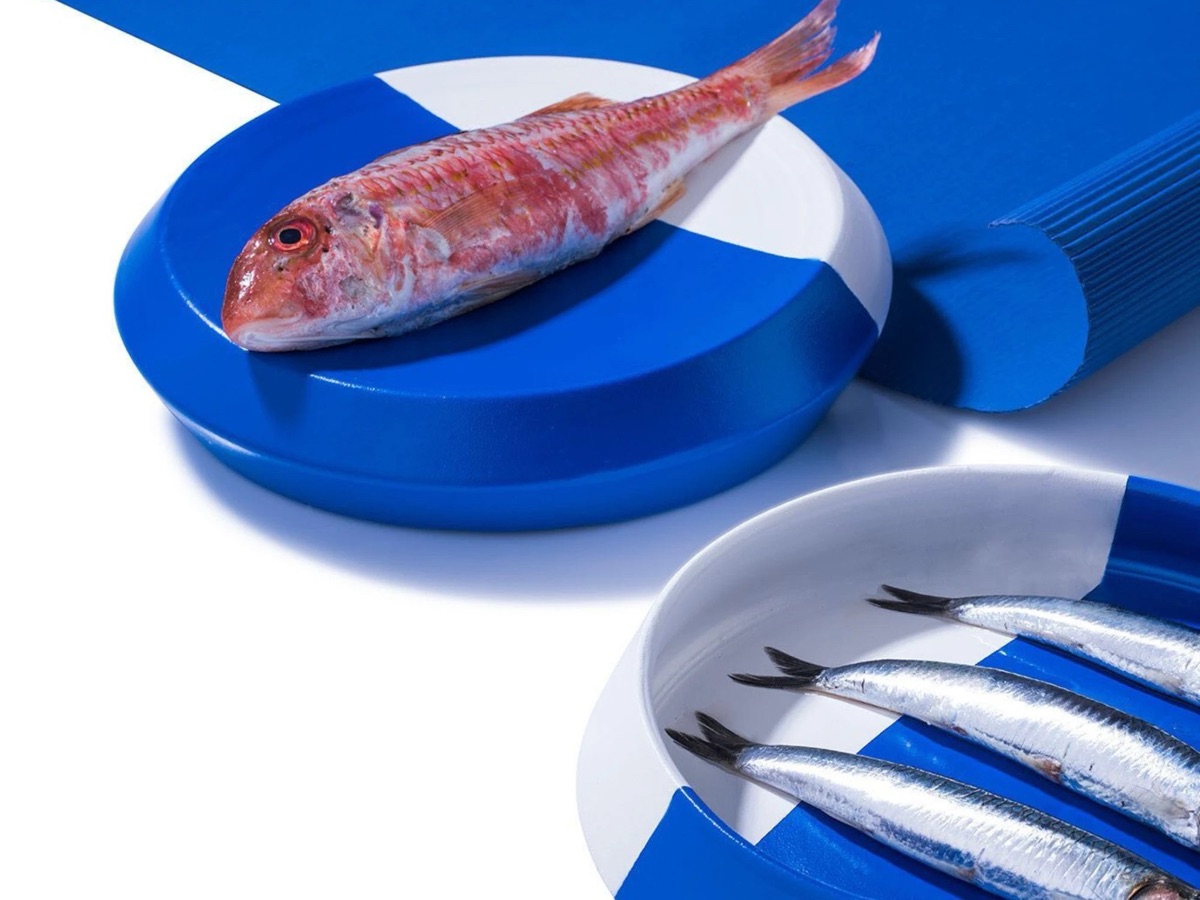
agape, multifunctional tableware for sharing food. Design: Fabio Molinas (lead designer), José A. Montenegro, Marta García and Charlotte du Payrat. Awards: Core77 Design Awards 2018 (Notable), A' Design Award (Silver), European Product Design Award 2018 (Silver) and International Design Awards (Honorable Mention).

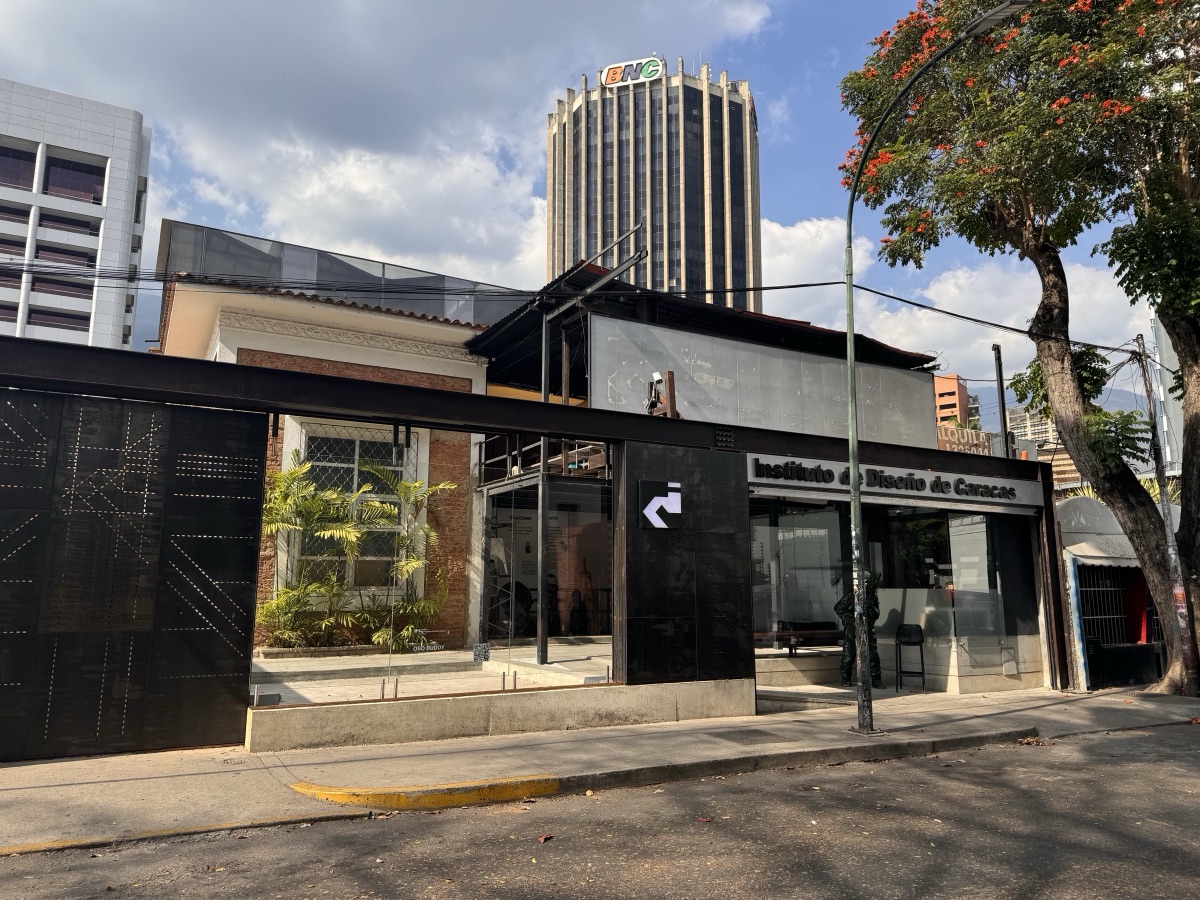
Instituto de Diseño de Caracas

Instituto de Diseño de Caracas

Leadership, educational innovation and institutional development

My role: leading the Institute and promoting new ways of teaching and learning design.

Leading the Institute where I trained has meant much more than taking on an academic responsibility. It has been an opportunity to contribute to the evolution of an institution that has educated generations of Venezuelan designers and, at the same time, to question and rethink how we should teach design in a constantly changing world.

An important part of my work has focused on bringing education closer to reality. I believe in an education where theory and practice meet constantly, where learning goes beyond the classroom and students have direct contact with materials, crafts, industry, communities and culture. We have strengthened academic projects developed with companies and organizations, bringing real challenges into the learning process. This allows students to learn to understand needs, work with clients, develop proposals and meet the demands of professional practice.

Getting closer to reality also means understanding the country we live in. I want our students to observe their surroundings, recognize what makes them distinctive and find opportunities to design in the needs of our society. I believe an identity of our own is not built only from aesthetics or cultural references, but also from the answers we are able to develop for our context. When we apply design thinking to the challenges of our communities, organizations and industries, proposals emerge that could hardly arise anywhere else. That is where design acquires an authentic identity, rooted in our reality and able to engage with the world.

Another essential dimension is helping students develop the ability to turn their ideas into opportunities. Knowing how to design is important, as is knowing how to communicate, present, manage and carry a project forward, whether within an organization or through a venture of their own. I want them to understand that design methodologies are not tools exclusive to one profession: they are ways of observing, researching, questioning, making decisions and solving problems that they can apply both in their professional development and in their personal lives.

My vision for the IDC, as a long-term project, is to strengthen the institution, foster new educational experiences, and help design play an increasingly relevant role in Venezuela. My aim is to educate designers with judgment, autonomy, sensitivity to their surroundings and the ability to navigate changing scenarios. This is a collective effort that we, teachers, students, coordinators, collaborators and partners, are building together.
Fundación Granja Idea Verde

Fundación Granja Idea Verde

Agroecology and permaculture · Gran Sabana · Since 2010

My role: co-founder.

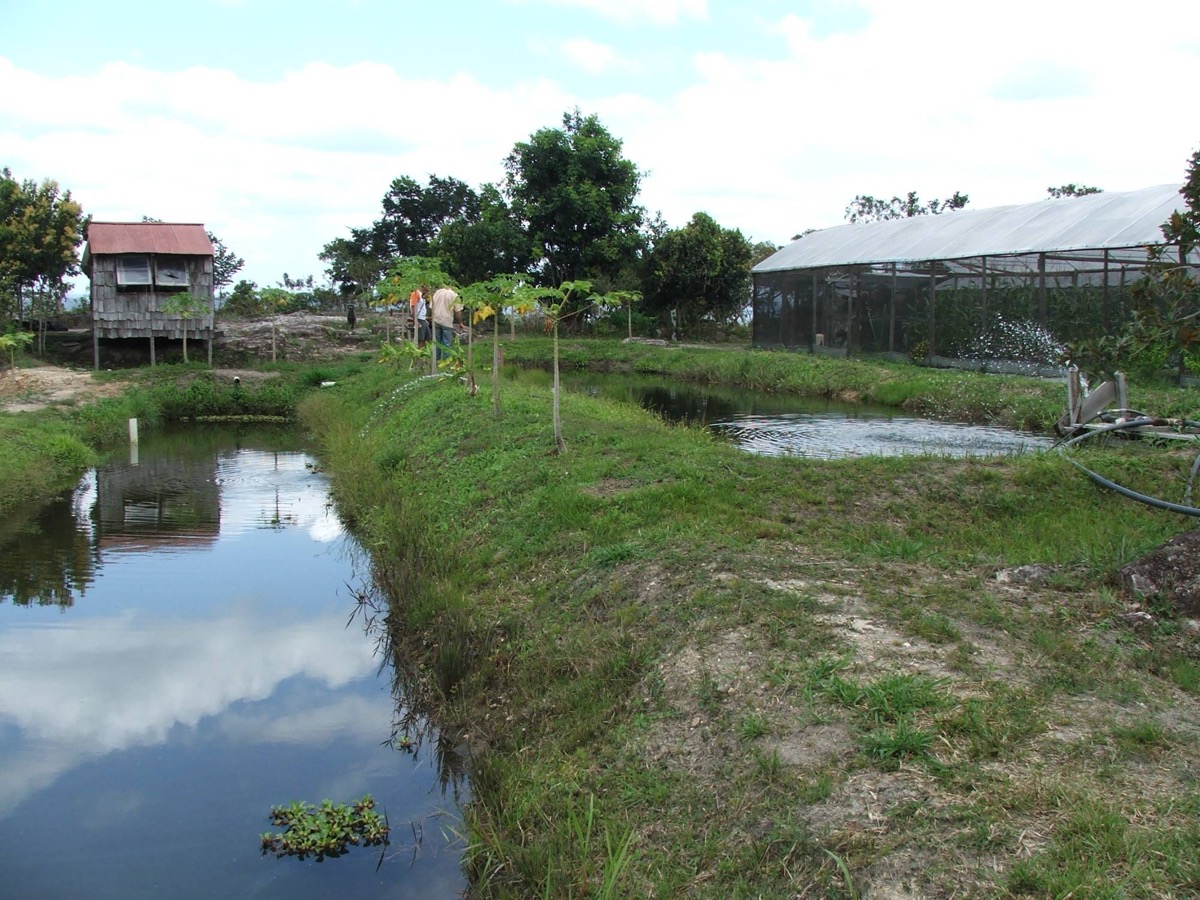
Idea Verde is an agroecological project inspired by permaculture. It was created to restore areas affected by mining in a sustainable way and to share sustainable ways of producing food and energy with Indigenous communities.

Its base is the Idea Verde integrated farm in Cajón, in the Gran Sabana municipality of Bolívar state, where we experiment with alternative energy and organic food production, with the support of the United Nations Development Programme.

Newsletter

If you would like to know when I publish new writing or a new project, leave your email. I only write when there is something to share.

You will receive an email to confirm. I will only use it for these updates, and you can unsubscribe at any time.